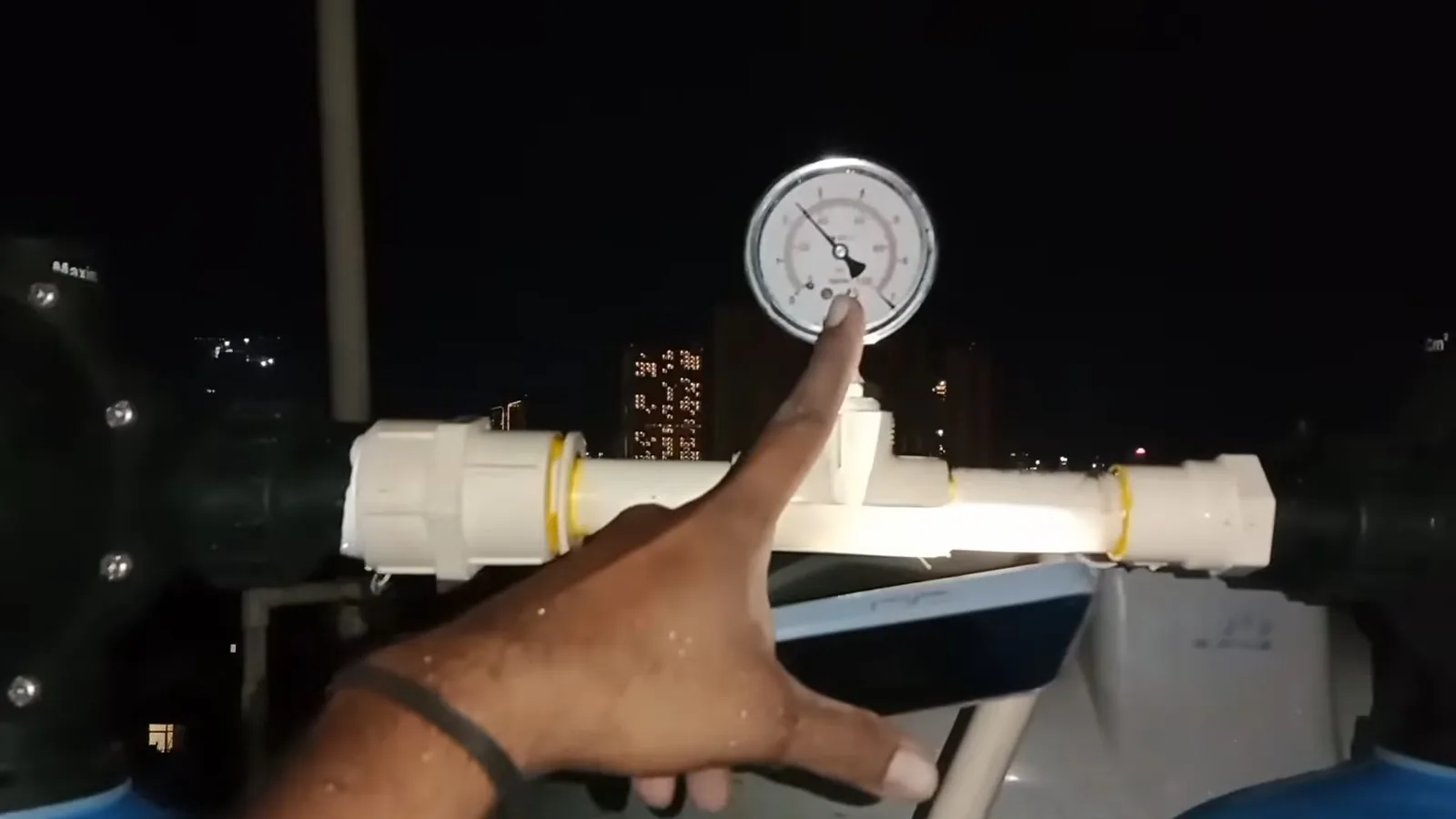
Emergency Repiping and Pipe Repair for Bisbee Homes: Pinholes, Old Galvanized Lines and Winter Freezes
Most pipe problems start small: a pinhole, a wet stain, a drop in pressure. A burst pipe is the loud version. The question behind both is the same. Is this one failure that can be repaired, or a sign that the whole line is nearing the end of its life? In a city where half the houses were built before 1939, that question comes up often.
This page covers a burst pipe in the first minutes, pinhole leaks, how to tell a repair from a repipe, pipe materials and what a repipe involves in an older house. If water is running now, close the main valve and call the dispatch line, where the call is handed to a network plumber.
Dispatch answers 24/7. Plumbers from our network serve Bisbee and the outlying areas.
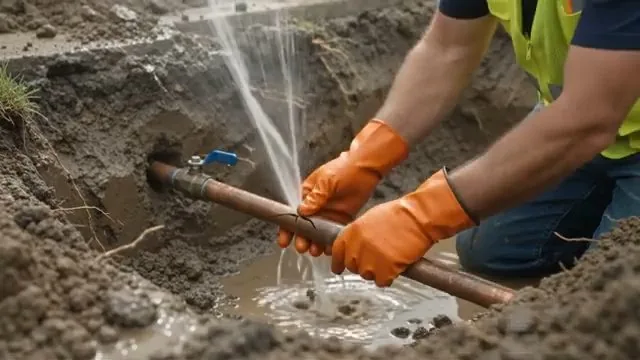
Water pouring from a pipe? Close the main shut-off valve, open a faucet at the lowest point to drain the lines and turn off the water heater if a hot line is involved. Then call. If a switch, outlet or the electric panel is wet, stay away and say so.
A burst pipe: the first minutes
- Close the main water shut-off at the house.
- Open a tap at the lowest level and one at the highest to let the lines drain.
- Switch off the water heater breaker or turn the gas control to off.
- Move belongings from the wet area and photograph the damage for your records.
- Call the dispatch line and say where the water is coming from and whether power is involved.
After the water is stopped, the plumber finds the failed section, repairs or replaces it and pressure tests the line. Drying out soaked walls and floors is a separate task; the page on drying and restoring after a pipe burst explains what that involves.
Freezes at 5,300 feet
Bisbee sits around 5,300 feet, and January nights average near freezing. Exposed lines, lines in exterior walls, crawl spaces and outdoor hose bibs are the ones that fail. Water expands as it freezes, and the split often appears when the pipe thaws, not when it freezes, so a pipe that looks fine at dawn can leak by noon.
Freeze depth and conditions
The city code sets a frost depth of 12 inches, and the General Plan reports an elevation near 5,300 feet with a January average low around 31 degrees Fahrenheit. Any line that runs outside the heated space or above the frost line deserves insulation and a known shut-off.
If a pipe is frozen but not yet split, open the nearest faucet and warm the pipe slowly with a hair dryer or heated towels, never a flame. If it has split, shut off the water and call. A thawed pipe can look intact while a crack waits for pressure; ask the plumber to inspect before you turn the water back on.
Pipe split, wet wall or a freeze warning with lines at risk? Call and describe what you see.
Call (520) 340-7175Pinhole leaks and what they suggest
A pinhole leak is a tiny hole, often in copper, that sprays a fine mist or leaves a green crust on the outside. One pinhole can be a defect. Several in different places usually point to a line corroding from the inside or to water chemistry. Pipe material in Bisbee homes is not documented publicly, so ask the plumber to identify the material and report the condition of the pipe near the leak.
- How many leaks has this line had, and where?
- What is the pipe made of, and what does the inside look like?
- Is the leak at a fitting or in the pipe wall?
- Will a repair here put stress on an older section nearby?
Cracked, broken and leaking pipes
Cracked or broken pipe repair follows a simple order. The plumber shuts the water off, opens the wall or floor as little as possible, cuts out the broken section and joins in new pipe with a fitting suited to the material. Leaking pipes found early, before the wall has soaked, are cheaper to repair than ones found after a stain spreads, so a damp spot, a hiss in the wall or a pressure drop is worth a call the same day.
Trenchless pipe lining, in which a resin liner is cured inside an old pipe, is mostly used on drains and sewers. On household supply lines, the choice is usually between a spot repair and a repipe, and ask the plumber whether lining is even offered for the pipe in question before assuming it is an option.
Repair or repipe: how to decide
| What you find | Usually points to |
|---|---|
| One leak at a fitting or a short section, pipe otherwise sound | Spot repair |
| Two or three leaks on one line within a short period | Replace that line |
| Corroded or flaking pipe visible at cut-outs | Plan a repipe |
| Low pressure and discolored water together, throughout the house | Inspect the whole supply system |
| A material known to fail, such as polybutylene, or an unknown one | Identify it, then decide |
A repipe replaces the supply lines through the house with new pipe. It is not a patch, and it is not always needed. Ask the plumber to show the failing pipe, explain what else may be near the end of its life and quote both a repair and a repipe so you can compare.
Pipe materials you may find
| Material | Where it turns up | What to ask |
|---|---|---|
| Galvanized steel | Older houses, often built before the 1960s | Is it narrowing inside? Are fittings corroding? |
| Copper | Repairs and newer work | Are there pinholes or green staining at joints? |
| CPVC | Newer additions and remodels | Has it become brittle or cracked at fittings? |
| PEX | Newer work and repipes | Is it protected from sun and from freezing? |
| Polybutylene | Some houses built in a certain period | Has a plumber identified it, and is replacement planned? |
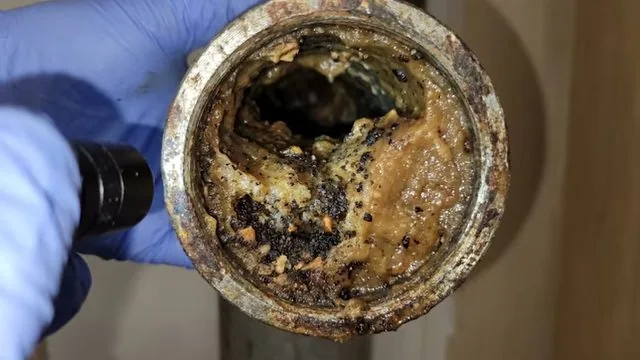
To check for galvanized pipe, a magnet will not stick to copper or plastic but will stick to steel, and a scratch shows silver-gray under the surface. Rust-brown water that clears after running may mean the inside of a steel line is flaking. Ask the plumber to confirm rather than relying on a quick test.
Why the age of the house matters
The survey median for year built is 1938, and roughly 58 percent of Bisbee homes predate 1940. Older houses may have mixed repairs from several eras, so ask what is behind the walls before agreeing to a scope.
What a repipe involves in an older house
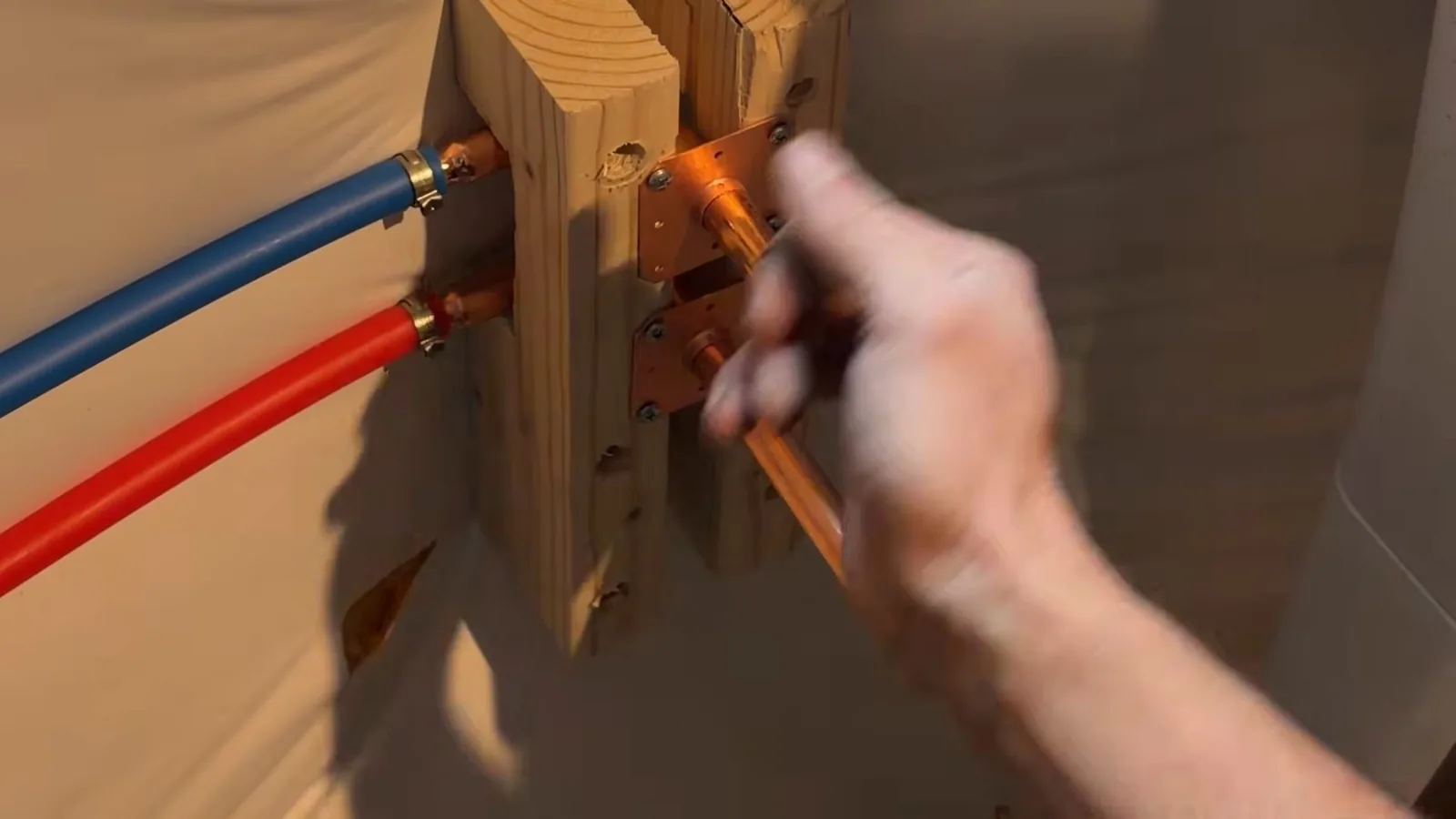
Plumbers usually open small access holes at key points, run new lines, connect fixtures and patch the openings. Houses with plaster walls, slab foundations or tight crawl spaces need more planning. Ask how the work is staged, how long water will be off, where the access holes go and who patches and paints.
Permits are another question. The City adopted the 2024 International Plumbing Code with local amendments, and the page on leaks under a concrete floor explains how access shapes the choice. Ask the City if your repipe needs a permit and an inspection, and ask the plumber to say who is responsible for scheduling them.
The code in force
New supply pipe and its installation fall under the 2024 International Plumbing Code with Bisbee's amendments, which the City dates from August 7, 2026. The plumber can name the sections that apply to your line.
Bursts, pinholes, materials and repipes: pipe questions
What should I do when a pipe bursts?
Close the main shut-off valve, open a faucet at the lowest point to drain the lines and turn off the water heater. Move belongings out of the wet area and call the dispatch line. If any electrical device is wet, stay clear and say so on the call.
How do I know if my house has galvanized pipes?
Look at exposed lines under sinks or in the basement or crawl space. Galvanized steel is gray, threaded at the fittings and attracts a magnet. If you are not sure, a plumber can identify it and say whether it is narrowing inside or corroding at the joints.
Is polybutylene pipe a problem?
Polybutylene is a gray or blue plastic that was used in some houses and has a record of failing at fittings. If you suspect you have it, have a plumber identify it and talk through replacement, since a failure inside a wall can do a lot of damage before anyone sees it.
Can CPVC pipe be repaired or does it need replacing?
A cracked CPVC fitting can often be cut out and replaced. If the pipe has gone brittle in several places, replacing the run is the sounder choice. Ask the plumber to flex-test a few sections, show you the result and explain what they find before deciding.
Is a pinhole leak a reason to repipe?
Not always. One pinhole can be repaired. Several on one line, or leaks in different parts of the house, point to a line failing from the inside, and then a repipe is worth pricing against repeated repairs over the next few years, so ask for both quotes.
Pipes failing, or about to?
Call the dispatch line and say what the pipe is doing. The dispatcher routes it to a plumber for your address. For the supply from the street to the house, see the yard line and the meter.
Call (520) 340-7175