
Emergency Leak Detection for Bisbee Homes: Water Bills, Wet Walls and Hidden Lines
Most people expect a leak to announce itself with a puddle or a drip. In an older house the first sign is usually quieter: a water bill that climbed, a meter that keeps turning with every tap closed, a stain that grows on a ceiling far from any pipe.
The water may be behind plaster, under a floor or out in the yard, and the wet spot you can see is rarely where it starts. Our dispatch line sends the call to a plumber who can reach your address, and a leak that is flooding a room is an emergency call at any hour.
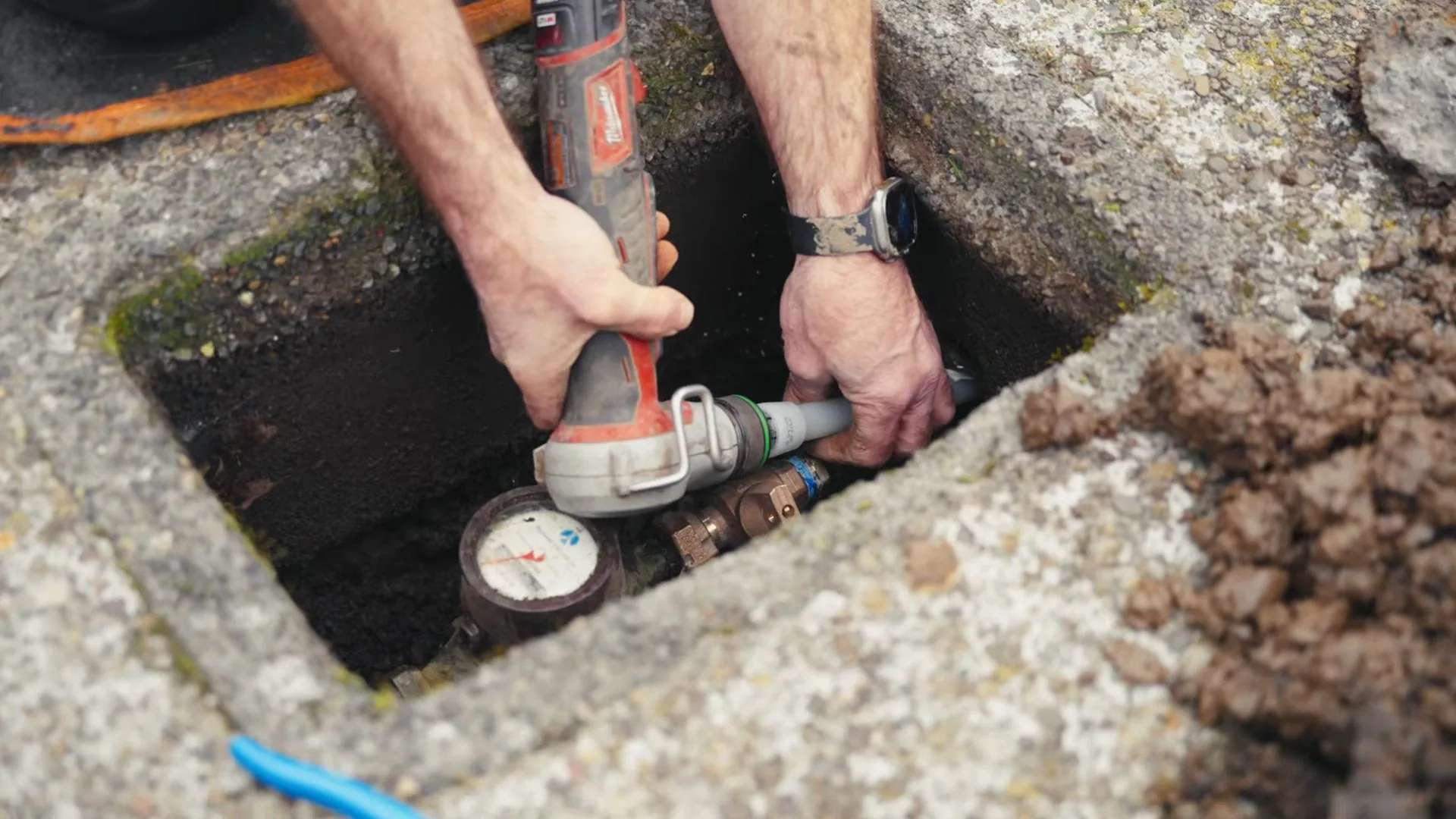
Dispatch answers 24/7. Plumbers from our network serve Bisbee and the outlying areas.
Start with the meter: is water moving when nothing is on?
Before anyone opens a wall, a short check narrows the problem. Close every tap, stop the dishwasher and washer, and make sure no one flushes a toilet. Find your water meter, note the dial or the small triangle that spins when water flows, and look again after an hour without using water.
| What you see | What it suggests | What to do next |
|---|---|---|
| Dial or triangle is still | No leak right now. A high bill may come from a leak that only runs at times, such as a toilet that refills on its own. | Check the toilets with the dye test below, then watch the next bill. |
| Dial creeps with everything off | A slow leak on the house side of the meter, or a toilet leaking into the bowl. | Call for leak location. Ask what the plumber will use to find it. |
| Dial spins fast | A large leak or a broken line. | Close the main shut-off valve at the house and call the dispatch line. |
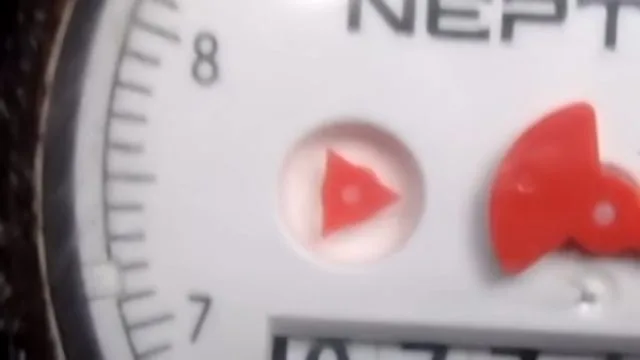
The check has a limit. It proves water is escaping on your side of the meter; it cannot say where. Arizona Water Company serves Bisbee, so a question about where its responsibility ends at the meter is one to put to the company before you pay for any digging.
Hidden leak or fixture leak: how to tell them apart
A fixture leak is visible somewhere: a dripping faucet, a base that weeps around a toilet, a shower valve that never quite shuts. A hidden leak is the one you infer from evidence. These signs point to a line you cannot see:
- a warm patch on a floor, or a damp, musty smell with no source
- the sound of running water in a quiet house
- paint that bubbles, plaster that softens or a ceiling stain that keeps spreading
- pressure that has dropped on one side of the house
- a meter that moves while the fixtures are off
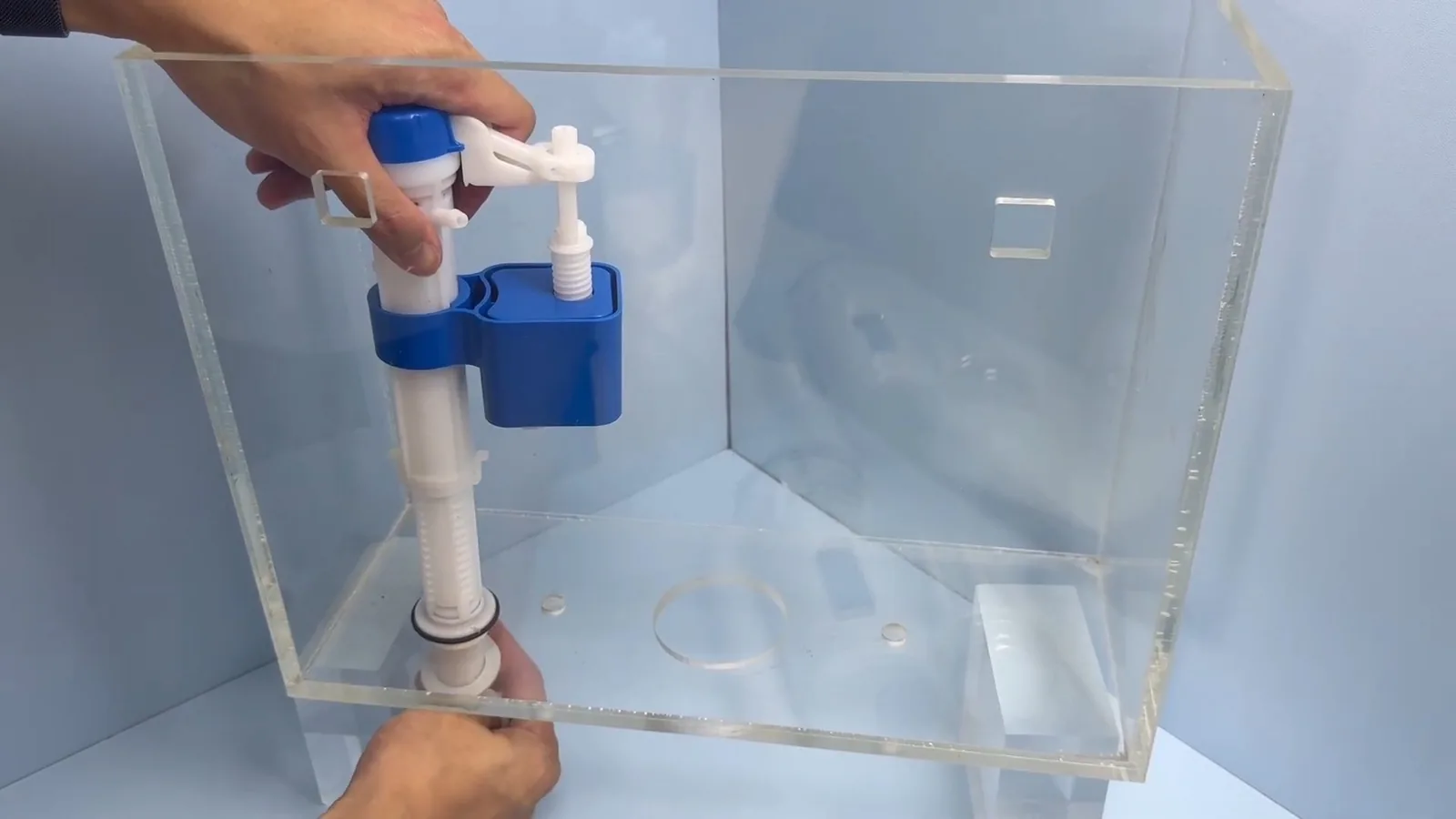
For toilets, a simple dye test settles most doubts. Put a few drops of food coloring in the tank, wait fifteen minutes without flushing, and look at the bowl. Color in the bowl means the flapper is leaking, which is one of the most common causes of a high bill.
Water you cannot account for is worth one call. Describe the meter result to the dispatcher and ask who is available for your address.
Call (520) 340-7175How a plumber finds a leak without opening the wall
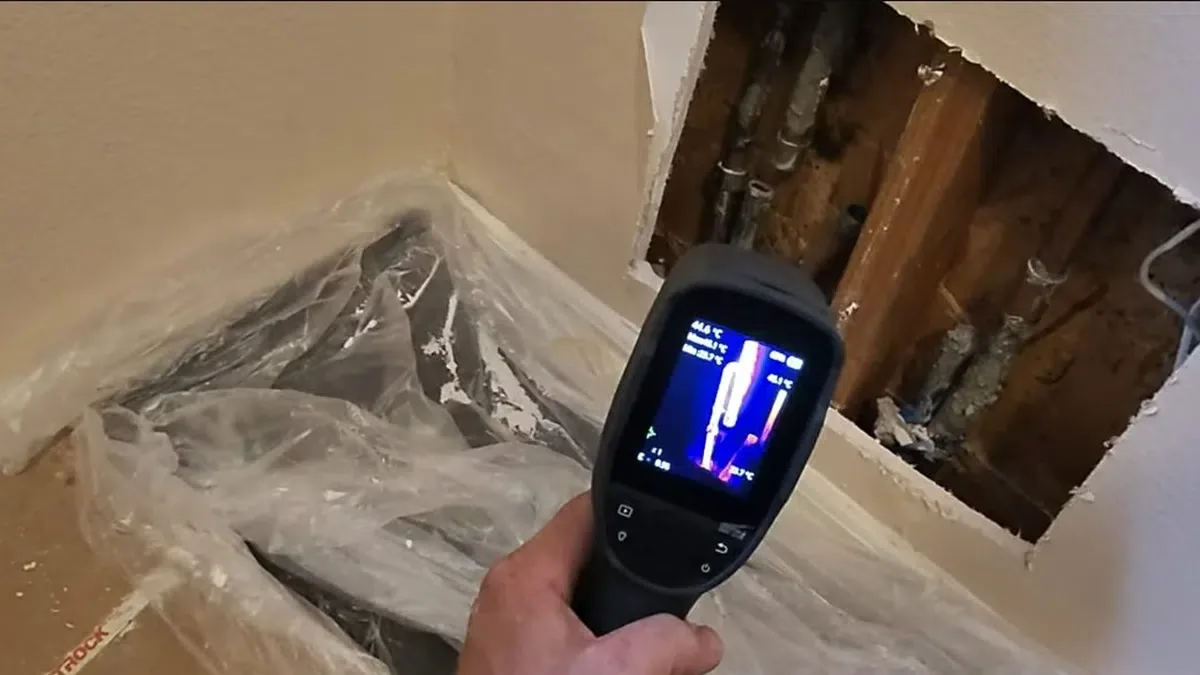
Location work starts with listening and measuring, not demolition. Acoustic equipment hears the hiss of pressurized water in a pipe, thermal cameras show a cold or warm path where water is moving behind a surface, and a moisture meter confirms which part of a wall or floor is wet. When those leave doubt, a pressure test isolates a line: the plumber closes it off, raises the pressure and watches whether it holds.
The result you want from this step is a mark on the wall or floor and a short description: which line, how deep, and how much of the surrounding material is wet. That is what lets a repair be priced and scoped before any cutting.
Why age matters in Bisbee
Census figures put the median Bisbee house at a 1938 build year, with roughly 58 percent of homes standing since 1939 or before. Pipe in a house of that age may have been repaired and extended several times, so ask the plumber to name the material at the leak and say whether the rest of the run looks the same. If leaks keep appearing in one house, replacing a worn supply run can cost less than a third repair.
Repair: what happens once the leak is found
Repair follows the finding. A pinhole in a copper line is a short cut-out and a new section. A failed supply valve or a worn shower cartridge is a part swap. A line that runs through a wall in poor shape may be rerouted around the damage rather than patched in place. After the work, a pressure test on the repaired run shows the fix holds before the wall is closed.
Two locations deserve their own mention. An under-house or crawlspace leak shows up as damp soil, a musty smell, sagging insulation or rust on hangers, and the plumber needs room to reach it. An attic leak usually announces itself as a ceiling stain that grows after the shower runs, so ask the plumber to trace the stain back to the pipe rather than patch the paint.
Leaks cause a second problem as well: the wet material left behind. Ask whether drying is needed before patching, and read about water damage cleanup after a leak if drywall, insulation or flooring stayed wet for days.
Leaks in less obvious places
Under the house or in a crawl space
A leak under a floor can run for months without a stain upstairs. If the meter moves and every visible fixture is dry, ask the plumber to check the space beneath the house, including the lines that feed the kitchen and bathrooms.
Yard lines and sprinklers
A soft, green or unusually wet strip of ground between the meter and the house points to a buried line. Before anyone digs, Arizona 811 must be called; marking takes two full working days. The plumber can locate the break first, so the excavation is as small as possible.
Rentals and high usage
Renters make up around three in ten Bisbee households, and active short-term rentals in the city number about 230. For an owner, a jump in usage between guests is the cue to run the meter check and, if it moves, to ask for a written note of where the leak was and what was done. That record helps with the tenant, the insurer and the next owner.
Safety first. If water is dripping through a light fixture or reaching outlets, stay out of the room, switch off power only if the panel is dry and reachable, and call 911 or the power company. Close the main shut-off valve before you wait for a plumber.
What to ask the plumber to write down
- where the leak is, in words and on a photo
- what the pipe material is and how deep the line runs
- the result of the pressure test before and after the work
- any other weak spots seen on the same run
- what was left open or wet, and what comes next
Those five items turn a repair into a record. They also make it easier to compare a second opinion, because both plumbers are describing the same line.
Meter readings, bathroom leaks and crawl spaces: your questions
Can a leaking pipe be repaired, or does it have to be replaced?
Often it can be repaired. A single pinhole or a failed fitting is a short section swap. Replacement makes sense when the same run keeps leaking, when the material is worn through along its length, or when access is easy enough that replacing costs about the same as another repair. Ask the plumber how many leaks the line has had and what it looks like beyond the break.
My rental's water use jumped. How do I tell if it is a leak?
Run the meter check between guests or tenants: close every tap, stop appliances and look at the meter after an hour. If it moves, water is escaping on the house side. Then check each toilet with the dye test, and ask the plumber to locate the rest. Keep the written findings for the tenant and your records, because they show when the problem was found and fixed.
How do I tell whether a bathroom leak is the shower, the toilet or the wall?
Test one fixture at a time. Dye in the toilet tank shows a leaking flapper. Water stains that appear only after showers point to the valve, the drain seal or the tile joints. A stain that grows with no one using the bathroom points to a supply line in the wall. A plumber can pressure-test a single line to separate those causes before any tile is removed.
Can you check under the house or in a crawl space?
Yes. If the meter moves and nothing visible is wet, the plumber can inspect the space under the floor, where leaks often hide. Tell the dispatcher what access you have, whether the space is tight, and whether there has been damp soil, musty smells or sagging insulation. That helps send the right plumber and saves time on arrival.
Water you cannot account for?
Call the dispatch line, describe what the meter does, and the call goes to a plumber serving your area. For help after a leak has spread, see drying and cleanup.
Call (520) 340-7175