Bisbee Drain Cleaning: Slow Sinks, Backed-Up Tubs and Old Lines
One slow tub is a nuisance. A drain that clogs, clears and clogs again is a decision: clean it, inspect it, or repair the pipe behind it. The right call depends on which line is blocked and how old the pipe is, and in a city where the typical house dates to 1938, the answer is sometimes the line itself.
This page walks through telling a branch clog from a main-line problem, choosing between a cable, a water jet and a camera, and knowing when a clog is really a sewer issue. When a drain is backing up into the house, call the dispatch line; it routes the call to a local plumber.
Dispatch answers 24/7. Plumbers from our network serve Bisbee and the outlying areas.
One fixture or the whole house: find the blocked line
A drain system is a tree. Each fixture has a short branch, the branches meet in a main drain, and the main leaves the house toward the sewer. Where the symptom shows up tells you which part is blocked.
| What you notice | Likely blockage | Sensible first step |
|---|---|---|
| One sink drains slowly, others are fine | The trap or branch of that fixture | Clear the stopper and trap, or call for a cable on that branch |
| Tub and bathroom sink both slow | The shared bathroom branch | Call; a cable or jet reaches the junction |
| Toilets gurgle and several drains slow at once | The main drain | Stop using water and call for main-line clearing and a camera look |
| Water or sewage shows in the lowest tub or shower when a washer drains | A blocked main with nowhere to go | Stop all water use and call now; see the emergency note below |
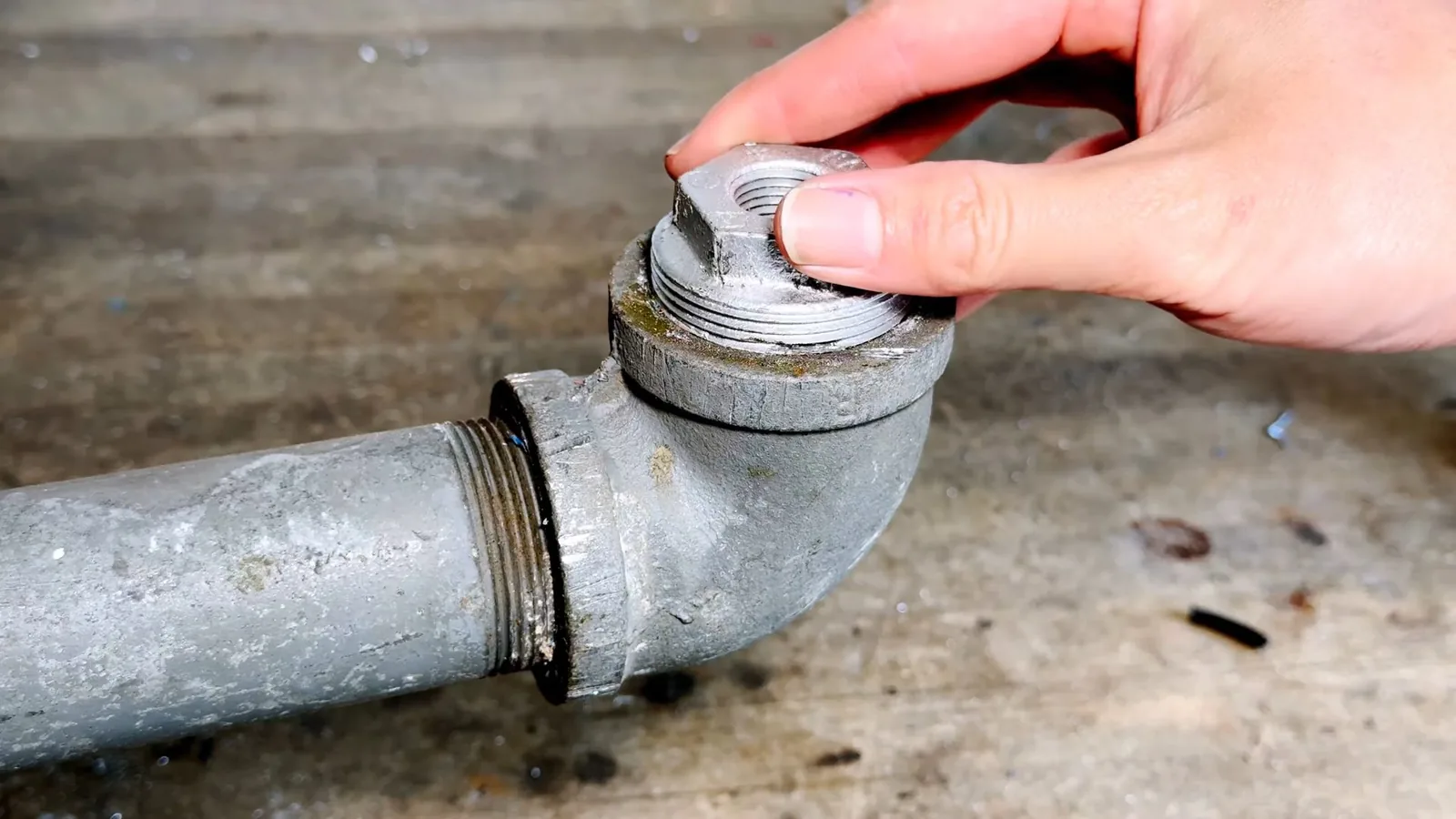
A blocked main is the case people underestimate. Because it serves every fixture, it fills from the lowest opening, and that opening is usually a shower, tub or floor drain.
Cable, water jet or camera: which fits
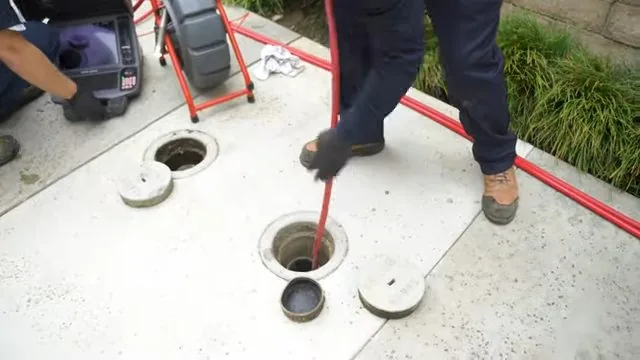
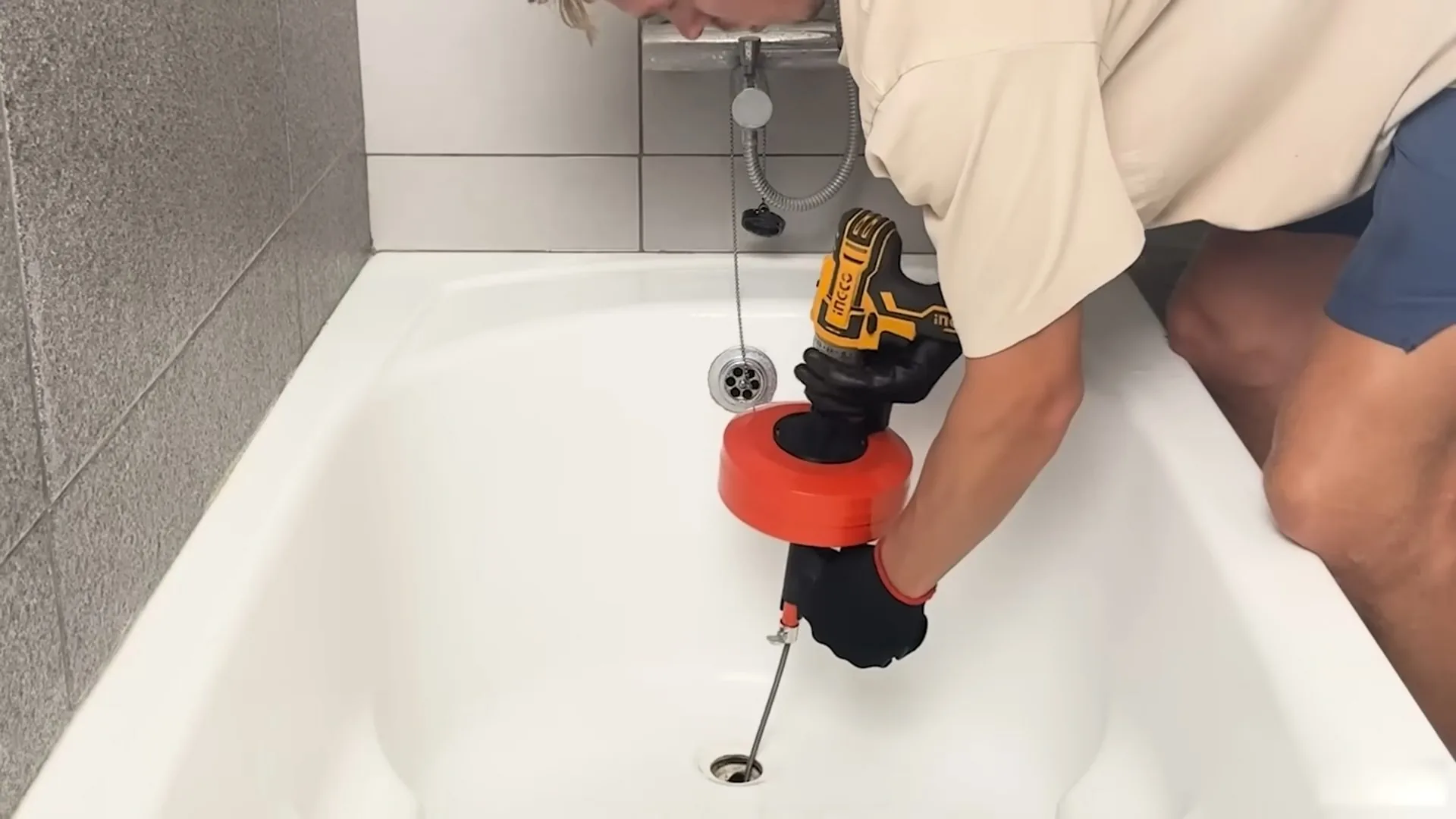
Three tools do most of the work, and each answers a different question. A cable, also called a snake or auger, punches through a blockage and pulls some of it out. It suits a hair clog, a paper clog or a toy in a toilet trap. A hydro jet sends high-pressure water through the pipe and scours the walls, which suits grease, scale and the film that causes repeat clogs. A camera does not clear anything; it shows what the pipe looks like and where the trouble sits.
Callers use several names for the same jobs: drain clog removal, professional drain cleaning, and hydro jetting, which some people write as hydrojet or hydro-jet. Whatever the name, the first question is where the blockage sits.
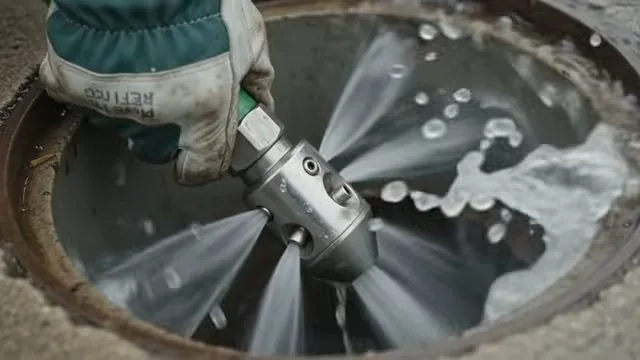
For a first clog on a simple branch, a cable is usually enough. For a drain that keeps returning, a camera look before more cleaning pays off, because it shows if the cause is grease, roots or a broken pipe. Jetting an old, thin or cracked line can do harm, which is one more reason the camera comes first on older pipe.
Snaking, sometimes called cabling, is how most plumbers unclog a branch drain, and it is a mechanical job rather than a chemical one. Pouring a drain cleaner first can leave caustic liquid standing in the pipe, which the plumber then has to work around, so mention it when you call.
A drain that clogs again within weeks needs a diagnosis, not a third cleaning. Call and ask for a camera look along with the cleaning.
Call (520) 340-7175What each fixture's clog usually means
Kitchen sink
Grease cools and coats the pipe, then catches food. If the sink drains slowly after every dishwasher cycle, the shared line is narrowing. Jetting removes grease film better than a cable, which tends to bore a hole through it.
Toilet
A toilet that clogs once is usually an object or too much paper. A toilet that clogs often, or that gurgles when a nearby drain runs, points to the line beyond the toilet. A plunger is a fair first try; a closet auger clears the trap without scratching the porcelain.
Tub and shower
Hair and soap form a plug in the trap or just past it. Pull the stopper and clean it first. If the water still stands, the blockage is deeper, and a cable on the tub branch is the next step. Slow drainage in the tub and the bathroom sink together means the shared branch.
When cleaning is not enough: repair on old lines
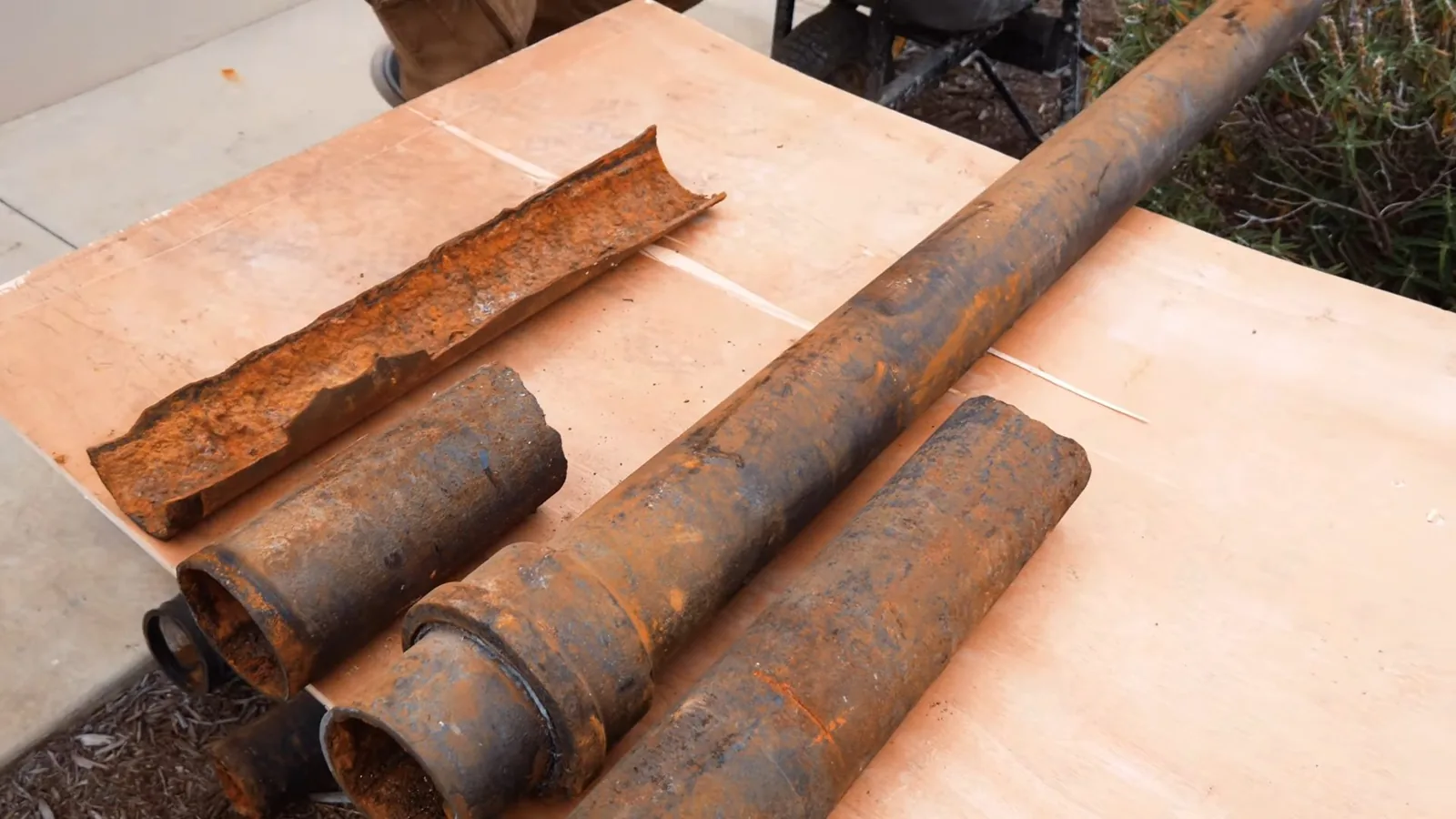
Houses built in the early 1900s may have drain lines in cast iron or clay. Cast iron roughens inside as it ages and traps whatever passes. Clay shifts at the joints, which opens gaps that roots enter. A drain in either material that clogs repeatedly deserves a camera inspection and an honest answer about the pipe, not another cleaning.
Repair can mean replacing a section, relining a stretch or, when the pipe is failing along its length, replacing the run. The same inspection informs whether the problem is inside your property or out at the main; the question of who owns what is covered on the page for sewer line repair and replacement.
What old Bisbee mains are made of
Planning documents describe the older collection mains under Old Bisbee as a mix of clay, transite and cast iron from the early twentieth century. That says nothing certain about the pipe in your house, so ask the plumber to identify your own drain material before choosing between cleaning and repair.
Roots, yards and storm water
Roots enter at joints and cracks looking for water, then thicken until they catch paper and grease. A cable cuts a root plug open and a jet clears fine roots, but roots grow back unless the joint is repaired. If the camera finds roots at one point, the lasting fix is at that point.
Yard drains, floor drains and downspouts are a separate question. The City Code does not allow pool water, storm water, roof runoff or groundwater to be discharged to the sanitary sewer, so a floor drain or a downspout tied into the house drain is something to flag to the plumber, not to extend.
A rule that affects yard drainage
Bisbee's City Code lists swimming pool water, surface water, ground water and roof runoff among the discharges that may not go to the sanitary sewer. A plumber who finds one connected can tell you what it takes to correct it.
Odors and commercial kitchens
A sewer smell from a drain that is not backing up often comes from a trap that has dried out or a vent that is blocked. If the smell comes with gurgling or slow drainage, the line is the suspect. For restaurants, bars and rentals with heavy kitchen use, grease is the main cause of repeat clogs; the page on light commercial plumbing for kitchens and lodging covers that side.
When a clog is a call-now situation
Treat a drain problem as urgent when water or sewage rises in the lowest fixtures, when several fixtures back up together, or when a toilet overflows and will not stop. Stop using water, keep people and pets away from sewage, and call. The dispatch line answers around the clock.
What you can safely try, and what makes it worse
- Safe: a plunger on a single fixture, cleaning the stopper and trap, and strainers in tubs and sinks
- Safe: running hot tap water and a little dish soap through a greasy kitchen drain, then checking the dishwasher hose
- Worse: chemical drain openers, which sit in a standing blockage and can splash caustic on whoever opens the trap next
- Worse: forcing a rented power cable into a fragile old line
- Worse: flushing wipes and hoping, which build a plug further down
Sewage safety. Sewage carries bacteria. Keep children and pets out of the area, wear gloves if you must touch anything, and wash well afterward.
Clogs, roots and who to call: drain questions answered
How do I know if the main line is clogged?
Look for several symptoms at once: more than one drain running slowly, toilets that gurgle when a sink empties, or water rising in the lowest tub or shower when the washer drains. One slow sink is a branch problem. When the whole house is affected, stop using water and call for main-line clearing and a camera inspection.
Why does my drain keep clogging?
A repeat clog means the cause was never removed. Grease films, scale, roots entering a joint or a pipe that has sagged or cracked can all re-form a blockage within weeks. Ask the plumber for a camera look, so the next step is based on what the pipe actually shows rather than on another round of cleaning.
Why is my bathtub drain clogged again and again?
Hair and soap build a plug in the trap and just beyond it. Cleaning the stopper and trap helps, and a cable clears the next stretch. If the tub clogs repeatedly, check whether the bathroom sink is also slow, which points to the shared branch, and ask for a camera look at the pipe behind the tub.
Can tree roots clog my drain?
Yes. Roots grow into pipe joints and cracks, where water leaks out, and then catch paper and grease. A cable or jet opens the line for a while, but the roots regrow. The lasting fix is repairing or relining the joint where they enter, which a camera inspection can locate.
Is hydro jetting better than snaking?
They solve different problems. A cable clears a plug; a water jet scours the pipe wall and is better for grease, scale and repeat clogs. Neither is right for every line, and jetting a thin or cracked pipe can do harm. A camera look tells the plumber which tool suits your pipe.
Who do I call for a drain problem: a plumber or the city?
Call a plumber for anything inside your property, since the house drain is the owner's responsibility under City Code. If a camera shows the blockage is out in the main, City Public Works handles the main and can be reached at 520-432-6001. Because the code does not say who owns the pipe between the lot line and the main, ask Public Works before paying for work there.
Drain backing up?
Call the dispatch line and say which fixtures are affected. The call goes to a plumber serving your area. If sewage is rising, stop using water first; see what to do about a sewer backup.
Call (520) 340-7175